The estate · 14 May 2026 · 4 min read
Why English sparkling wine grows on chalk
The same seam of chalk runs from the Champagne region under the Channel to the Ledbourne Vale. Here is what it does for the wine in your glass.
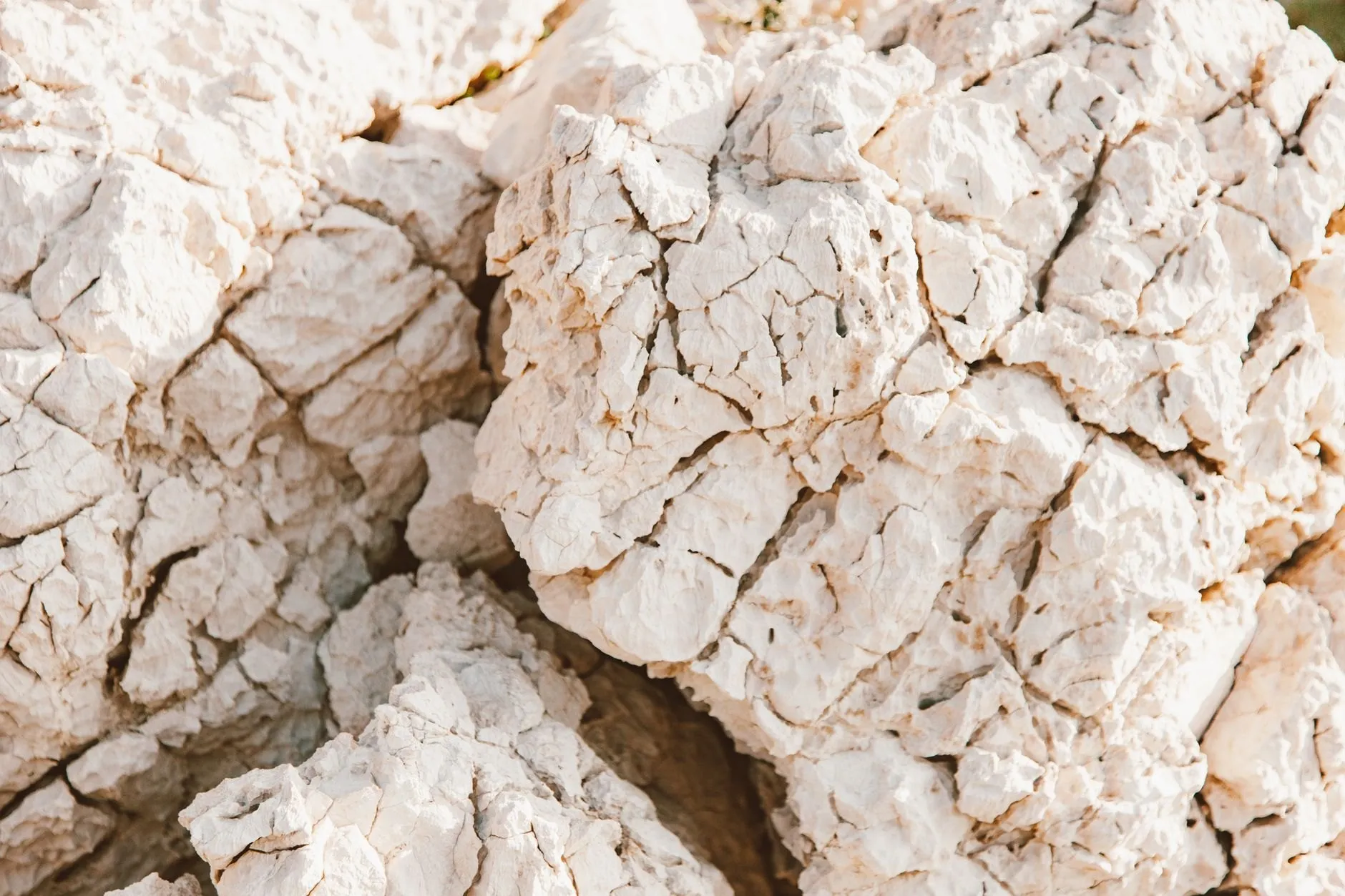
Walk up the top of the Marledon slope after heavy rain and you will see the soil for what it is: a thin brown layer, sometimes only a hand deep, over solid white chalk. Every vine on the estate has its roots in it.
One seam, two countries
The chalk under the Ledbourne Vale was laid down on the floor of a warm sea around 90 million years ago. The same bed runs east under the Channel and comes up again in northern France, in the Champagne region. It is the geological reason English sparkling wine and Champagne resemble each other so closely.
What chalk does
Chalk does three things a vine in a cool climate needs.
- It drains. Rain runs straight through, so roots never sit in water, even in a wet English summer.
- It stores. The chalk itself is porous and holds moisture like a sponge, so in a dry spell the roots can still find water deep down.
- It stays cool. White chalk reflects heat, so the grapes ripen slowly and keep their acidity: the backbone of every good sparkling wine.
What you taste
Growers argue about whether you can literally taste chalk. What is certain is that wines from chalk slopes tend to have a fresh, saline, slightly mineral finish. In our Classic Cuvée and Blanc de Blancs, it is the last thing you notice and the thing that makes you want another sip.
You can see the chalk for yourself on the vineyard tour: we stop at the top of the slope where the plough has turned it up.